Intro
1.Nobunaga Oda and his protection of Christianity
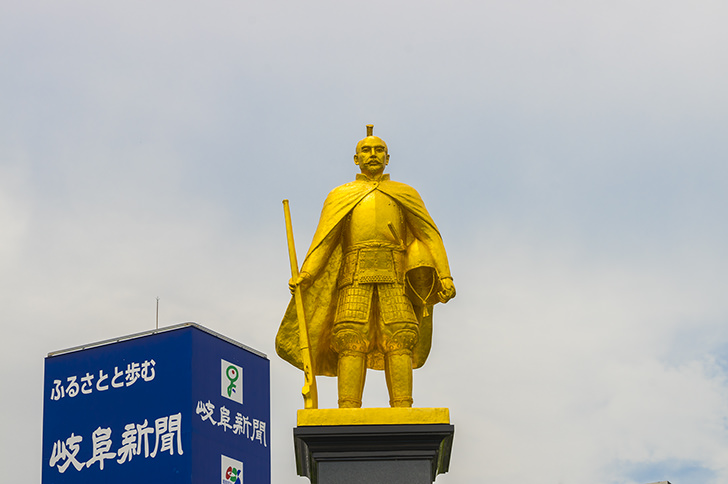
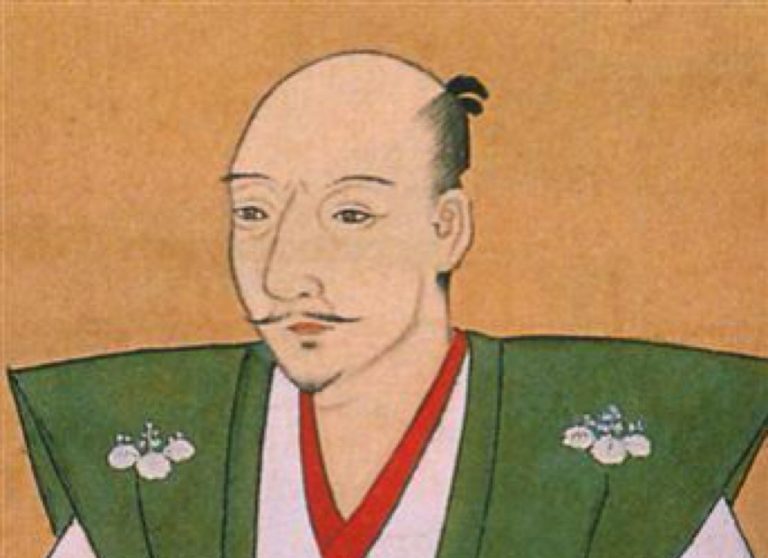
The history of Christianity in Kyoto begins in 1549 when Francis Xavier landed in Satsuma on the southern tip of Japan. Many more missionaries followed Xavier and conducted missionary work in Japan, and gradually spread under the protection of Nobunaga Oda, the ruler of Kyoto at the time.
2.Why did Christianity spread?
Xavier was a missionary from Portugal. But missionaries were also like diplomats, as well as tradesmen. They were regarded as elite intellectuals. If Japan wanted to trade with Portugal, it had to negotiate for permission through the missionaries. As Japan deepened its relationships with Christianity, its ability to trade with Portugal and acquire weapons also increased. By developing his relationship with Christianity, Nobunaga not only benefitted economically by importing and selling foreign silk, he was also able to obtain military supplies such as saltpeter, the raw material for gunpowder, and lead, which made the bullets. In return, Jesuits were granted permission to live in Kyoto, construct churches, and conduct missionary work under this arrangement. In a sense, it was quite an effective win-win relationship between Nobunaga and the missionaries.
Missionary activities in Kyoto began in earnest around 1559. However, this was during the Sengoku Period of Japanese history. The church in Kyoto was destroyed in the warring, and missionary work made slow progress. However, this changed when Nobunaga entered Kyoto in 1568 and seized power, becoming the de facto ruler. In addition to controlling the Buddhist groups that were his main opposition at that time, protecting Christianity allowed him to take advantage of foreign trade. With the preferential treatment afforded by Nobunaga, missionaries such as Organtino expanded their activities in Kyoto, constructing new churches and chapels, and Christianity in Kyoto reached its peak. Many missions called Nanbanji were built in various places around Japan, but none was more important than the one built in Kyoto, the capital of Japan at the time.
Christian missionary activities flourish under Nobunaga’s protection. However, this changed and Christianity faced a crisis when Hideyoshi Toyotomi and Ieyasu Tokugawa came to power and took the opposite stance, persecuting and repressing Christianity. In the history of martyrdom in Japan, there are three significant events known as the Great Martyrdom of Japan: the Great Martyrdom of Nagasaki in September 10th, 1622, the Great Martyrdom of Edo in December 4th, 1623, and the Great Martyrdom of Kyoto, of October 6th, 1619.