C. Catholic Kawaramachi Church
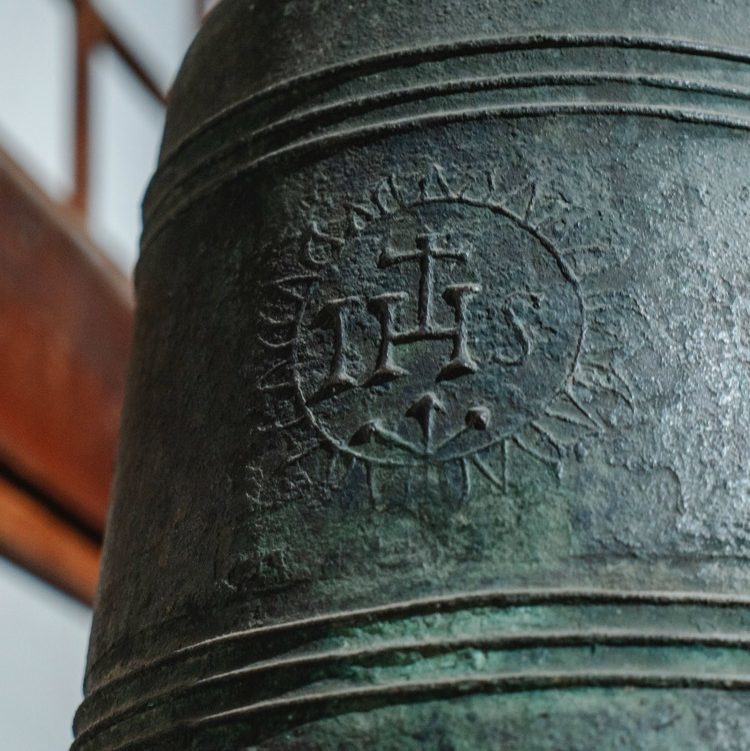
Let us explore the Christian churches of Kyoto. The Kawaramachi Catholic Church is a patron saint of Francisco Xavier, one of the first missionaries to introduce Christianity to Japan. Look at the bronze statue at the entrance. In 1847, Father Leon Roban, a priest in eastern France, learned about the martyrdom of a spectacular Christian missionary in Japan more than 200 years prior and founded a group to ‘Pray for the Conversion of Japan’ and started his activities. Father Roban created this bronze statue of Our Lady in an attempt to fulfill Xavier’s desire to build a church in Kyoto. He asked the Paris Foreign Missions Society to bury it on a hill overlooking Kyoto. During the persecution of Christianity, it was buried by Father Vigru in the Higashiyama Shogunzuka, about 3 kilometers east. This bronze statue was excavated in 1879 by Father Virion, who came to Kyoto for missions after the persecution of Christianity was passed. And it was placed in the wooden church that was built after that. The current cathedral was rebuilt in 1972.
English masses are held at noon on the second and fourth Sundays of every month. The stained glass of the cathedral depicts the statue of Xavier and the way of the cross, and the bright stained glass behind the front altar wraps the entire cathedral in a majestic glow.
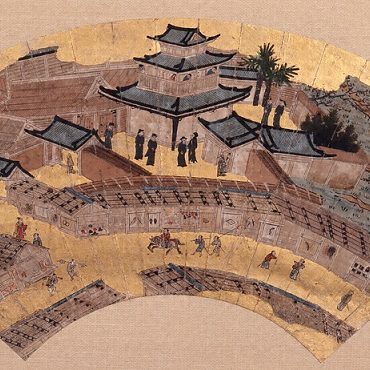
Japan experienced the relatively stable period of 260 years during the Edo period with the Tokugawa administration continuing from the first Shogunate Ieyasu to the 16th generation. But the Edo Period ended in 1868 and a new government, the Meiji Administration, began. The Meiji government overturned the former government’s national isolation policy and lifted the ban on Christianity in 1873. Many Foreign missionaries came to Japan and Christianity was accepted by people as part of Western culture. Christians had been forced to worship in hiding for more than 250 years. In Nagasaki Prefecture, which is located at the western end of Japan, there are many traces of the hardships of such hidden Christians. In June 2018, it was recognized as a world cultural heritage site to observe ‘the hidden Christian-related heritage of Nagasaki and the Amakusa region.’ Please visit if you have the opportunity.