04. The difference between samurais and ninjas
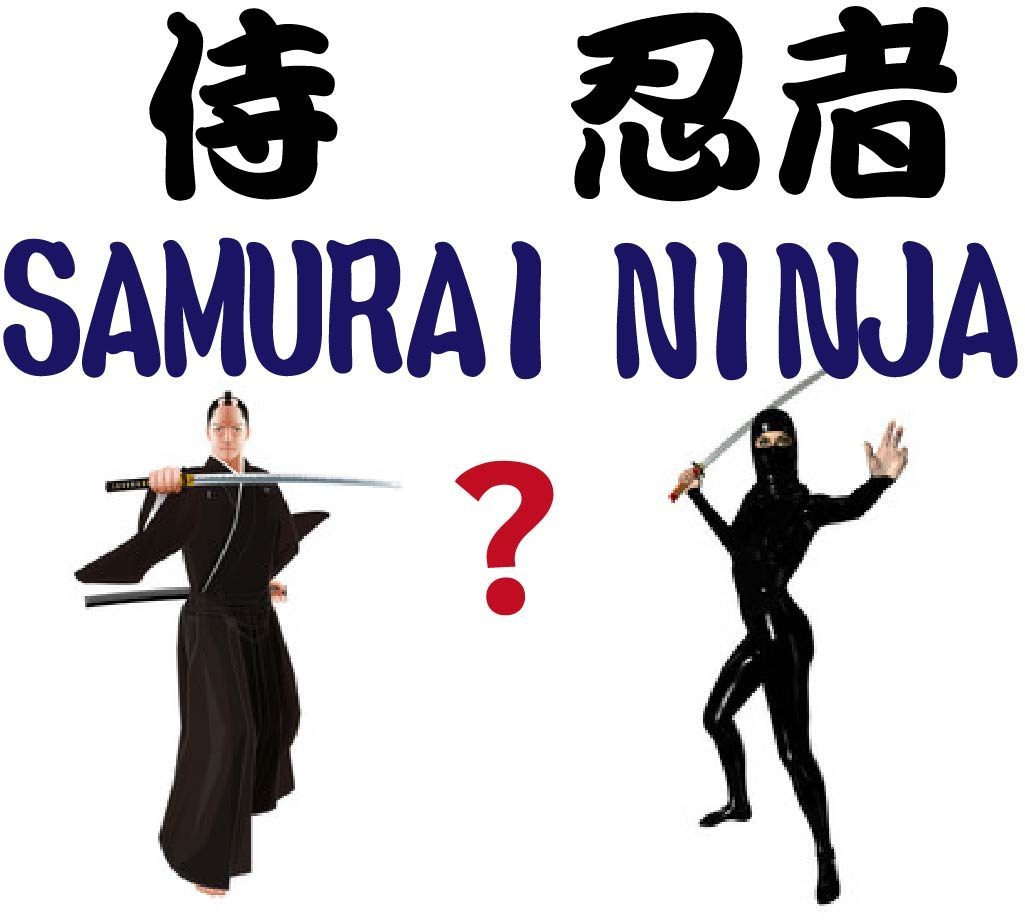
1. The difference between samurais and ninjas
Samurais are warriors, and ninjas are spies. Many people became familiar with ‘samurai’ from the hit Tom Cruise movie, ‘The Last Samurai.’ And, ‘ninja’ gained popularity through anime shows like ‘Naruto’ during the Japanese manga/animation boom. It seems that many foreigners think that samurais sometimes work as ninjas, if the situation so demands. In fact, the two are completely different.
Samurais are combat experts. They were the soldiers and warriors that served military commanders during the Sengoku Period, when militaries were divided into various groups across the country. Swordsmanship is one of their most important skills.
On the other hand, ninjas specialize in reconnaissance, gathering information, causing chaos, and sabotage. They rely on a wide range of skills such as disguise, acting, potions, and survival. Ninjas have less strength than samurais, and rely on more than just battle skills. In movies, ninjutsu techniques are often depicted as magic. Of course, ninjas are not witches. Their skills and exploits are results of rigorous training and ingenuity. Let’s learn more about them by comparing how they were different.
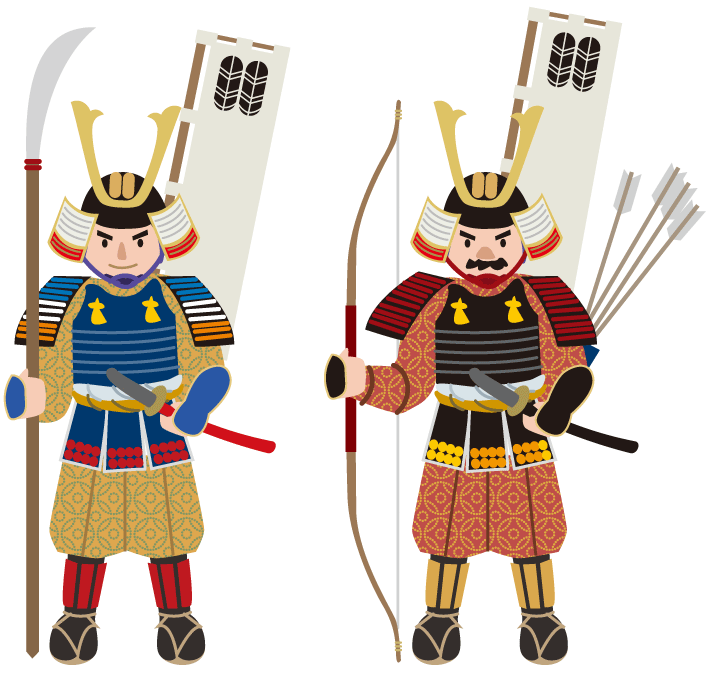
Basic Samurais Equipment
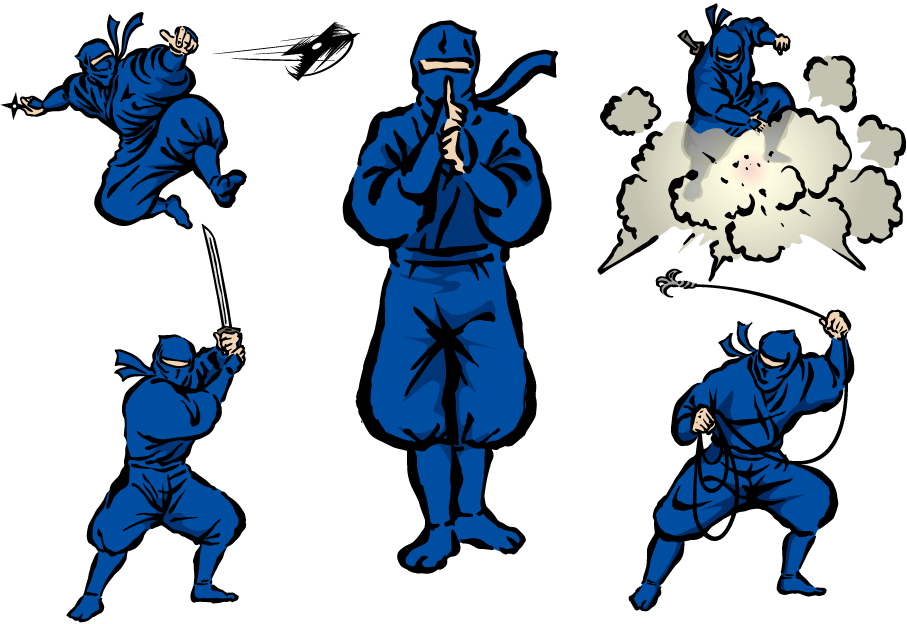
Basic Ninjas Equipment
2. Origins
★Samurais
Samurais first appeared in the Heian Period. They used their military power to gain social status. After Kyoto became the capital in 794, powerful clans living in regions far away began vying for land and power. The social elites started arming their vassals so they could fight. From this were born professional mercenaries that served the clans. These mercenaries became known as samurais. Then, in the latter half of the 12th century, during the Kamakura period, the samurais came to power due to the growth of military forces around Japan. Then, during the Sengoku Period from the 15th to the 16th centuries, it became possible for even low-ranked people to rule, if they had the requisite military power. As such, samurais would play a leading role through these periods as combat professionals.
★Ninjas
Ninjas were nothing more than ‘subcontractors’ working completely under the samurais. Their status was below that of even the lowest-level samurais, and many lived in poverty. The word ‘ninja’ became established after World War II. Before then, the profession was known as ‘Shinobi.’ In Japanese, there is a phrase called ‘Suppa Nuki’. It means ‘a ninja operated in secret to collect sensitive data, and disclosed it unexpectedly’. Although the exact origins of ninjas are unknown, they appeared in the 15th~16th centuries during the Sengoku Period as spies to gather information to get the upper hand in times of war. Ninjas were involved a diverse range of work. For example, they would be stationed at important transportation points such as mountain passes and river crossings to watch for and report enemy movement. They would also sneak into enemy strongholds to report the number of troops and their positions. On the frontlines of battle, of course the samurais were the strongest. But the ninjas were also adept fighters, and had great footspeed. They could be organized into small units to penetrate enemy lines and explore its forces and do other reconnaissance. From this point of view, it seems that ninjas often did very valuable and dangerous work, despite their low social status.
3. Weapons
★Samurais
It is well known that samurais used swords in battle. However, large swords can be cumbersome in battle. Many other weapons such as bows and arrows and daggers were also used. Bows and arrows were used with great effectiveness since ancient times. Guns also became popular after they were first imported from Europe in 1543. Although outnumbered 10 to 1, Nobunaga Oda was able to defeat Yoshimoto Imagawa in the Battle of Okehazama in 1560. This was the first battle in which guns were used in Japan. Since then, the use of guns by samurais grew significantly.
★Ninja
It is more common for ninjas to escape, than to fight. They usually never fought their enemies head-on. Rather, they would surprise them with a quick stab, or other distraction, and make their escape. When they did need to kill an opponent, they did so not by fighting, but with poison, or by attacking in their sleep. Ninjas were masters of escape. This is also evident in their tools and weapons. Most are not designed for fighting or killing. They are designed to delay their pursuers. The most important mission for the ninjas was to escape with the valuable information and survive to report it to their masters.
4. Pay structure
★Samurais
Samurai were similar to salaried company employees. They served generals and military commanders, and earned a fixed salary. There was no retirement until death, and so it seems that they were not dismissed as long as they remained armed. Their salaries were paid in rice. For example, the salary for gokenin (a low-ranking vassal whose rank did not allow him to meet directly with Tokugawa Shogun) in the Edo period was 50 koku of rice. ‘Koku’ is a unit showing amount of rice. This is thought to be equivalent to about 2.4 million yen (24,000 USD) in present value. But samurais also incur great expenses. They must entertain, repair their estates, pay for certain ceremonies, and do other things just to maintain social status as a samurai. So, life on 2.4 million yen was not as easy as it may seem. There are even stories of samurais that became financially strapped and sold their daughters into Yukaku (red-light districts) or opened gambling houses. Of course, gambling was illegal and they would be punished. It was a given that samurais would work side-hustles to make a living. Many in Edo raised goldfish, crickets, and other luxuries in the gardens of their estates.
★Ninjas
Ninjas did not have long-term employment with any one general or commander. Their status was more similar to what we would call independent contractors today. They were mercenaries that were used only when needed. They were not paid a salary, but wages based on performance. They were usually farmers, but if they had the skills and smarts, they would sometimes be called upon by the commanders. According to available records, even the most successful ninjas made only about 2 million yen (20,000 USD). All support staff had to be paid from this as well. It must have been quite a difficult situation.