Shinsengumi
The Shinsengumi was an armed organization tasked with cracking down on anti-Bakufu forces in war-torn Kyoto at the end of the Edo Period. They are still renowned and popular today. This introduction will briefly explain the origins of the Shinsengumi, followed by an explanation of some tourist activities.
The Shinsengumi were stationed in Kyoto in the late Edo Period, in the 19th century. Edo was the center of Japanese politics at the time and was dominated by the samurai military government called the Edo Shogunate. A form of government called the Shogunate was formed by the samurai class during the Kamakura Period, and was handed down through the Muromachi Shogunate and the Edo Shogunate. Japan was under military governance for a very long time because military personnel could take real political power by force, unlike in the Heiankyo Period when the emperor in Kyoto had political power.
1. Rebirth of Kyoto as a political force
The Edo Period experienced peace and tranquility for 300 years. During this time, the Shogunate had a national isolation policy, keeping trade with foreign countries to a minimum. In 1853, American Commodore Matthew Perry landed his ships in Uraga and demanded the Edo Shogunate open up the country to foreign trade. Succumbing to US pressure, the Edo Shogunate signed the Japan US Treaty of Amity and Commerce in 1858 to start trade with foreign countries. Trade treaties with foreign nations had to be sanctioned by the emperor. This suddenly brought Kyoto back into the political spotlight. After 1600, the political power had concentrated in Edo, but Kyoto’s political influence was on the cusp of being revived.
Domestically, many influential people all over Japan saw the Edo Shogunate succumb to foreign powers, and saw this as a weakness. Many started to think that the Shogunate could not or should not be taken seriously and wanted to oust the foreigners and return political power to the emperor. This faction of thinking was called Sonno Joi, meaning “Revere the Emperor, expel the barbarians.” As political power began to tip back towards Kyoto, many people hungry for their share of power under the emperor started gathering there. From around 1863, the Sonno Joi faction started attacking and assassinating people in and around Kyoto. Kyoto became an unstable and dangerous place quickly. In these circumstances, the Shinsengumi was born to bring security back to Kyoto.
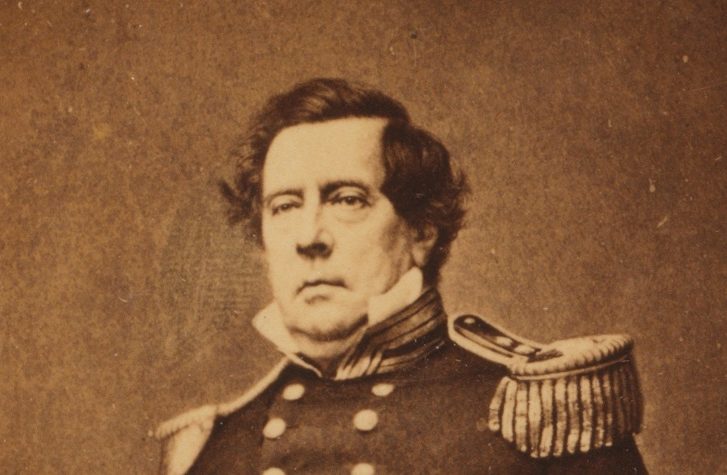
Perry
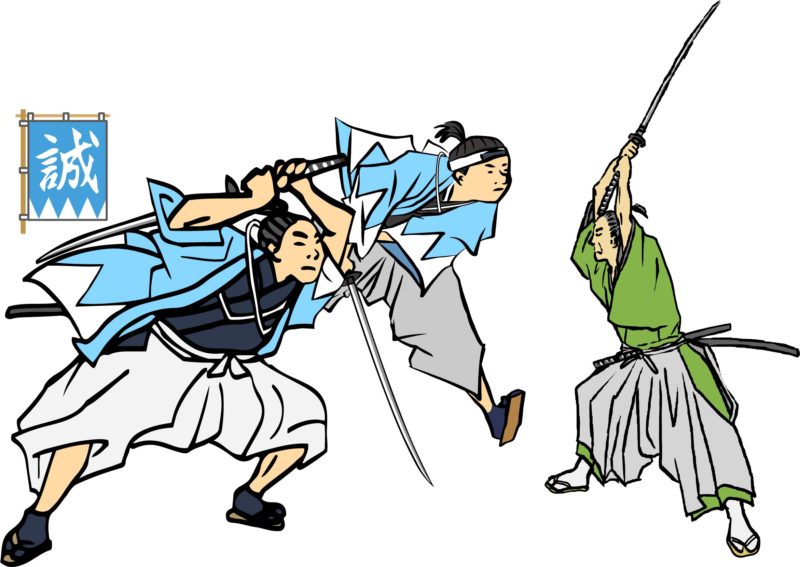
Shinsengumi
Isami Kondo, the head of the Shinsengumi was a farmer who longed to become a samurai. He was training at the Sheikan Training Hall in Edo with others such as Toshizo Hijikata and Keisuke Yamanami who would later join major posts in the Shinsengumi. As they trained diligently to become the samurai that they so admired, a great opportunity was presented to them. The Shogun of the Edo Shogunate was to visit Kyoto, which had become a dangerous place. The trainees of the Sheikan were hired to escort and protect the shogun on the journey. As Kondo entered Kyoto, he found out that instead of guarding the Shogun, he was actually guarding the Emperor of Japan himself. Kondo was very specific in his desire to work with the Shogun, not the Emperor or anyone else. He declined to provide any further services for the emperor and searched for new opportunities in Kyoto.
Matsudaira Katamori, the head of the Kyoto police organization, heard the story of Isami Kondo and the others and allowed them to form a Ronin group called the Mibu Ronin Unit to act as subordinates in the police force. Although this was not an assignment to directly protect the Shogun, Kondo was satisfied that it contributed to the Shogun’s safety. As part of a security maintenance unit, Kondo began cracking down on anti-Shogunate forces in Kyoto. This is how the story of the Shinsengumi started. When the Choshu and Saitama forces clashed with the Aizu and allied forces in the “Coup of August 18th”, the Mibu Ronin Unit gained recognition for their valiant actions and came to be known as the Shinsengumi
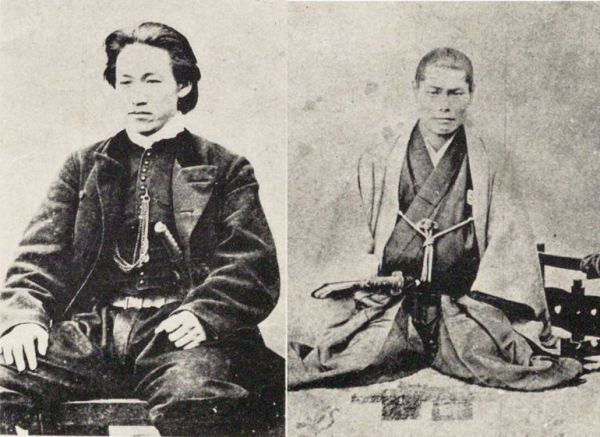
Toshizo Hijikata (left), Isami Kondo (right)
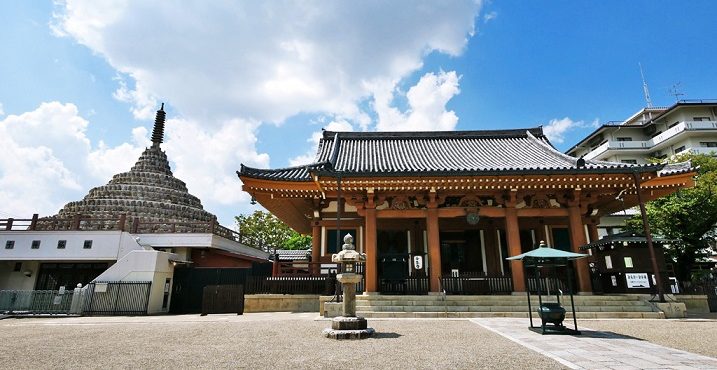
Mibudera Temple, the first base of the Shinsengumi
2. The “Coup of August 18th”
Kogoro Katsura and Shinsaku Takasugi of the Chosu Clan were cozying up to the Emperor to gain some power for themselves. They wanted to abolish the foreign powers, defeat the “weak” Edo Shogunate, and establish a new government. At the same time, the Satsuma and Aizu Clans also wanted to oust the foreigners, but they wanted to keep power in the Edo government. Their strategy was for the Edo Shogunate to become even closer to the Emperor and regain some of the power and respect they had lost when Perry arrived in Japan.
On August 18th, 1863, the Satsuma Clan and the Aizu Clan attacked the Kyoto Imperial Palace, ousting the Choshu Clan from Kyoto. This coup d’etat is known as the “Coup of August 18th”. Along with the Satsuma and Aizu forces, the Mibu Ronin Unit played a significant role in the success of the coup and was given the name Shinsengumi. The Choshu did not go quietly. In order to mount a retaliation, they planned to burn set fire to Kyoto. Unfortunately for them, in 1864 the Shinsengumi sniffed this out killed many members of the Choshu who were hiding in a lodge called the Ikeda-ya.
3.The remains of Ikeda-ya
After being expelled from Kyoto during the “Coup of August 18th”, the Choshu Clan held a meeting in a lodge called the Ikeda-ya to plan their retaliation. However, the Shinsengumi had detected their movements and attacked. This is known as the Ikeda-ya Incident, and made the Shinsengumi famous all over the country.
The “Revere the Emperor, expel the barbarians” faction that had just been ousted from Kyoto was mounting their retaliation. Their plan was to set fire to the Kyoto Imperial Palace and the city on a windy day, kill Matsudaira Katamori, the head of the Kyoto police organization, and capture the Emperor and take him from Kyoto to Choshu. However, this plan was uncovered when a Choshu spy was caught by the Shinsengumi. Four members of the Shinsengumi, including Isami Kondo and Souji Okita extracted information about the plan and attacked the Choshu gathered at Ikeda-ya. On the night of June 5th, 1864, two days before the main Gion festivities, the Shinsengumi attacked. They killed nine people and arrested four. This great achievement became well known all throughout Japan
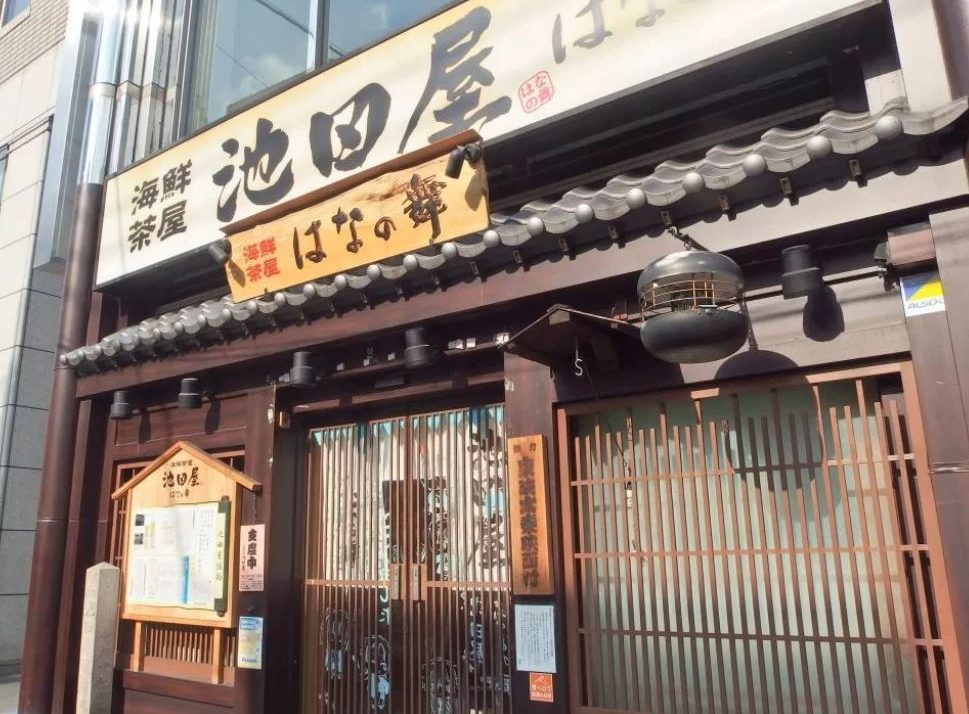
There is a tavern called Ikedaya in the area where the Ikedaya incident took place.
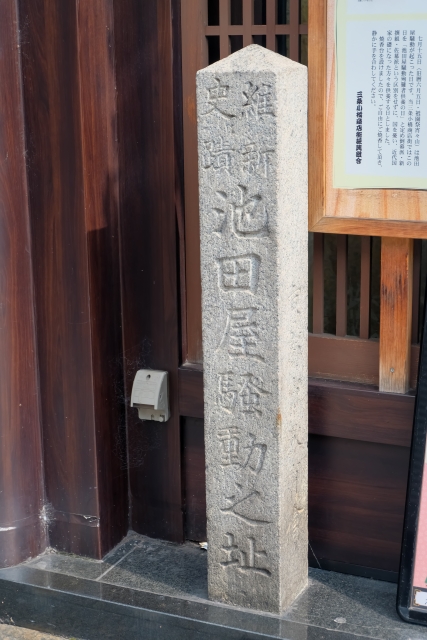
Stone monument where the Ikedaya Incident took place.
4. Fate of the Shinsengumi
In 1864, the Choshu clan instigated the “Hamagurigomon Incident” near the Hamagurigomon gate of the Kyoto Imperial Palace. A fire broke out from artillery attacks, causing a larger fire that spread throughout Kyoto. This fire destroyed more than 60 percent of the city. The Shinsengumi, together with Shogunate forces, subdued the Choshu Clan and eventually defeated them in this battle as well. The Shinsengumi were recognized for their efforts, and in June 1867 they were appointed as official vassals of the Edo Shogunate. There are still bullet holes from this battle in the Hamagurigomon gate of the Kyoto Imperial Palace.
Although the Shinsengumi had successfully protected and supported the Edo Shogunate, by this time there was a growing sentiment to overthrow the Edo Shogunate and form a new government. Against this backdrop, The Sonno Joi movement was gaining momentum not only in Edo and Kyoto, but throughout the country. In the midst of this trend, a war broke out between the Satsuma government and Britain in 1863. The Satsuma were easily defeated by the overwhelming British army and their advanced weapons. Having experienced battle with foreigners, the Satsuma powers realized that it is futile to eliminate foreigners from Japan by brute will and strength. It was necessary to grow stronger by learning from them. With the success of Ryoma Sakamoto and others, the Satsuma Clan formed an alliance with the Choshu Clan, which they had previously been on bad terms with, and the Satsuma Clan shifted to thinking about overthrowing the Edo Shogunate and establishing a new government.
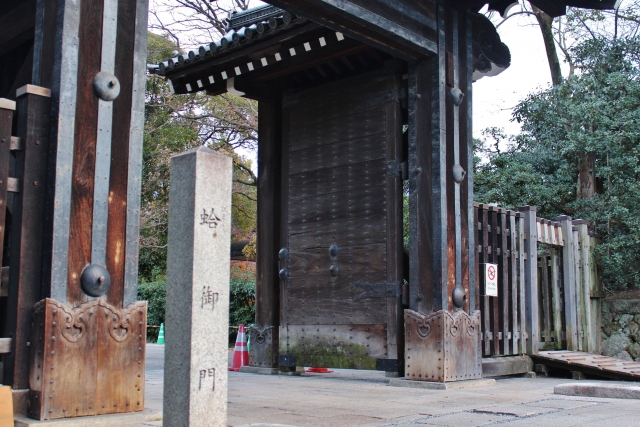
Hamagurigomon
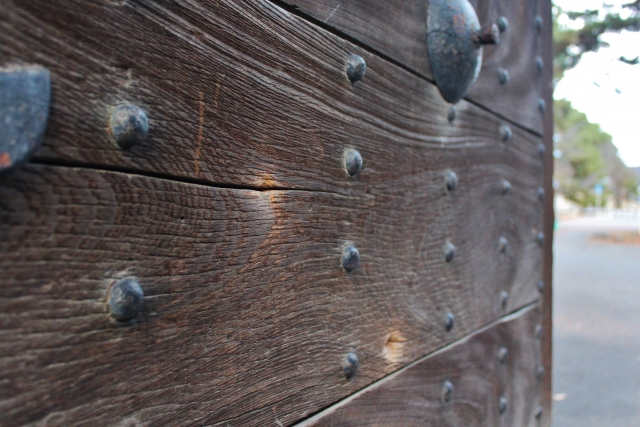
Gunshot residue
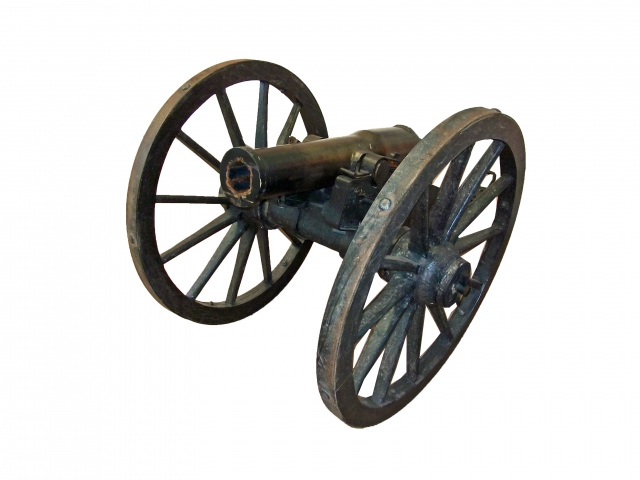
To get a sense of the degree of technological difference between Japan and other countries, at that time Japan used horses and baskets for transportation on land, and sailing ships for transportation at sea. Other countries were already using railroads, steamships, submarines, and airships. As for communication, the Japanese delivered letters by hand, while other countries used the telegraph. In terms of weapons, Japan used muskets, while guns and rifles were available in other countries.
The new government forces, led by the Satsuma and Choshu Clans, and the old government forces of the Edo Shogunate entered into an all-out war. The Shinsengumi took part in the war, fighting at the Battle of Toba-Fushimi, opposing the new government forces. After the battle of Toba-Fushimi, the old government forces continued to fight for a year and a half, retreating from Kyoto to the east, and were repeatedly defeated. The Shinsengumi also fought desperately, but, finally, in April 1868, Isamu Kondo was captured and executed by the new government forces. He was sent to Kyoto and was hanged on the Sanjo River. He died at the age of 35. In May 1869, Hijikata Toshizo, the second in command of the Shinsengumi, was also killed in a battle at Goryokaku in Hakodate, Hokkaido. The battle of Goryokaku marked the end of the long war between the new and old government forces, and the Shinsengumi was disbanded.
In the seven years after entering Kyoto as ronin in 1863, the Shinsengumi grew from thirteen members to nearly two hundred at its peak. But in the end, it shared its fate with the Edo Shogunate.
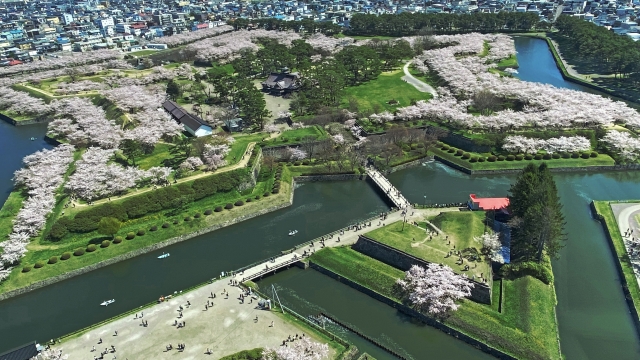
Goryokaku (in Hokkaido)